Building Skills for the Future of Australia’s Meat Industry
As Australia’s meat industry continues to evolve, workforce capability remains one of the sector’s most important strategic priorities. From processing plants to retail butcher shops, maintaining a skilled workforce is essential to ensuring the long-term strength, competitiveness and sustainability of the industry.
At MINTRAC - the National Meat Industry Training Advisory Council, the focus is on supporting industry through practical workforce development, strong collaboration with training providers and initiatives that ensure training pathways remain aligned with the real needs of meat processors, retail butchers and smallgoods businesses across the sector.
“Australia’s meat industry has always been built on skilled people, strong regional communities and collaboration across the supply chain,” says MINTRAC CEO Mick Crouch. “Our role is to work alongside industry to ensure training frameworks and workforce initiatives continue to evolve with the sector’s needs.”
Listening to Industry, Shaping Workforce Capability
A defining characteristic of Australia’s meat processing sector is its strong culture of collaboration and its commitment to continuous training and workforce development. As processing technologies evolve and requirements around safety, quality and legislation continue to change, ongoing upskilling of the workforce remains essential. For organisations such as MINTRAC, maintaining close engagement with industry operators ensures that workforce initiatives remain practical, relevant and aligned with the real needs of the sector.
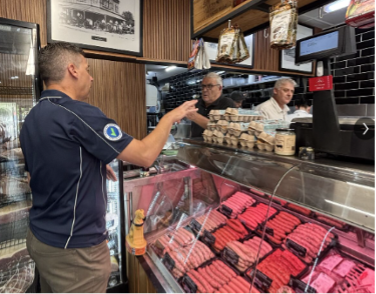
Through direct consultation with processors, retail operators and training providers, MINTRAC works to translate industry insights into improvements across training frameworks, workforce pathways and sector capability.
Events such as Industry Connect bring together industry leaders, employers and training partners to share knowledge, discuss emerging workforce challenges and strengthen collaboration across the sector.
These conversations play an important role in ensuring the industry’s workforce strategies remain aligned with operational realities on the ground.
From Consultation to Practical Initiatives
Industry engagement also informs a range of practical initiatives designed to strengthen skills development across the sector.
The AMP Training Package is undergoing a full review to meet both the Standards for Training Packages and the evolving needs of the industry. The meat industry offers many rewarding career opportunities, with the potential to develop skills in biosecurity, sustainability, management and working with automated and robotic systems. It is important that these qualifications reflect current industry and training delivery needs, including the role they can have in supporting the attraction and development of new learners. This project is being managed by MINTRAC as part of their collaborative partnership with Skills Insight. MINTRAC has a strong history working with the Australian meat processing industry on skills and training solutions and are receiving Commonwealth funding under the Jobs and Skills Council Program to deliver the project in partnership with Skills Insight.
Recent work has included consultation with training providers and employers as part of a review of the Retail Butcher qualification, ensuring training pathways continue to support the next generation of skilled tradespeople entering the profession.
MINTRAC is also supporting workforce preparation initiatives linked to the Pacific Australia Labour Mobility (PALM) scheme, a DFAT-supported program focused on pre-departure training for workers in the region who are preparing to join Australia’s meat processing workforce. Working with industry and training partners, these initiatives help ensure workers entering the sector are equipped with the foundational knowledge required to operate effectively in Australian processing environments.
Animal Health Australia (AHA) manages the National Sheep Health Monitoring Project (NSHMP). MINTRAC supports AHA in delivering the project through abattoir coordination, training for meat inspection staff and facilitation of animal health data collection. This work also includes the development of online learning programs supporting the ongoing professional development of meat inspectors and the implementation of new technologies, such as voice recognition tools, within participating plants.
These initiatives, alongside a range of other projects currently underway, reflect the broader role MINTRAC plays in supporting workforce capability across Australia’s meat industry - connecting employers, training providers and industry stakeholders to strengthen skills development across the sector.
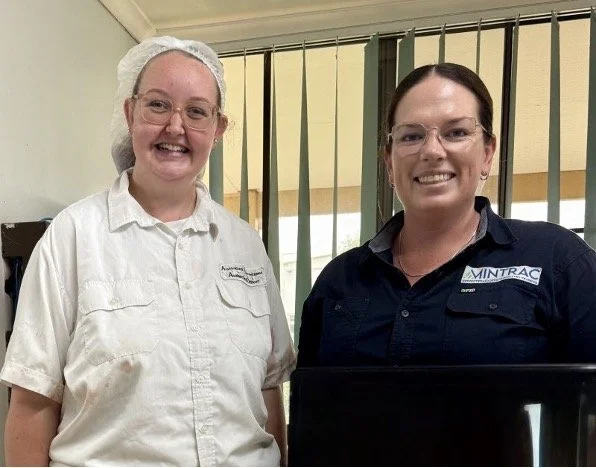
A Shared Responsibility for the Industry’s Future
Across Australia’s meat processing sector, there is strong recognition that building and maintaining workforce capability requires collaboration across the entire industry.
From processors and retail operators to training organisations and government partners, the continued strength of the sector depends on ensuring that skills development keeps pace with industry needs.
MINTRAC’s role is to help facilitate this collaboration — supporting training frameworks, workforce initiatives and industry engagement that contribute to the long-term resilience of the sector skilled workforce.
Looking Ahead: Skills for the Future of Meat Processing
As global markets, technology and workforce expectations continue to evolve, the demand for a skilled and adaptable workforce will only increase.
Ensuring that training frameworks remain relevant, accessible and aligned with industry needs will be critical to maintaining Australia’s position as a leading producer of high-quality meat products.
By continuing to work closely with industry, training providers and government stakeholders, MINTRAC supports the development of a capable and resilient workforce for the meat processing sector.
“Strong industries are built on strong skills,” Mick Crouch says.
“Investing in workforce capability today is one of the most important steps we can take to ensure the continued success of Australia’s meat industry.”
About MINTRAC
The National Meat Industry Training Advisory Council (MINTRAC) works with employers, training providers and government to support workforce capability across Australia’s meat processing sector.
MINTRAC contributes to the development and improvement of industry training frameworks, supports workforce initiatives and facilitates collaboration between industry and the vocational education and training sector.
Key areas of engagement include:
• Workforce consultation and industry capability initiatives
• Review and development of training pathways for the meat industry
• Workforce preparation initiatives supporting labour mobility programs
• Industry Connect events bringing together employers and training partners
• Collaboration with Registered Training Organisations and government stakeholders
Through these activities, MINTRAC helps strengthen the capability, sustainability and competitiveness of Australia’s meat processing industry.
To learn more about MINTRAC’s work supporting workforce capability across Australia’s meat processing industry mintrac.com.au/ or contact the MINTRAC team at mintrac@mintrac.com.au.