
CCTV smarts for your Store
In October an Adelaide butcher store was allegedly firebombed, reportedly causing more than $500,000 in damage. A 26-year-old worker at Saray Supermarket and Butchery at Mile End was treated for burns.
The attack follows another at a second Adelaide butcher shop, Corinthian Meats, which had its door smashed in and a fire lit.
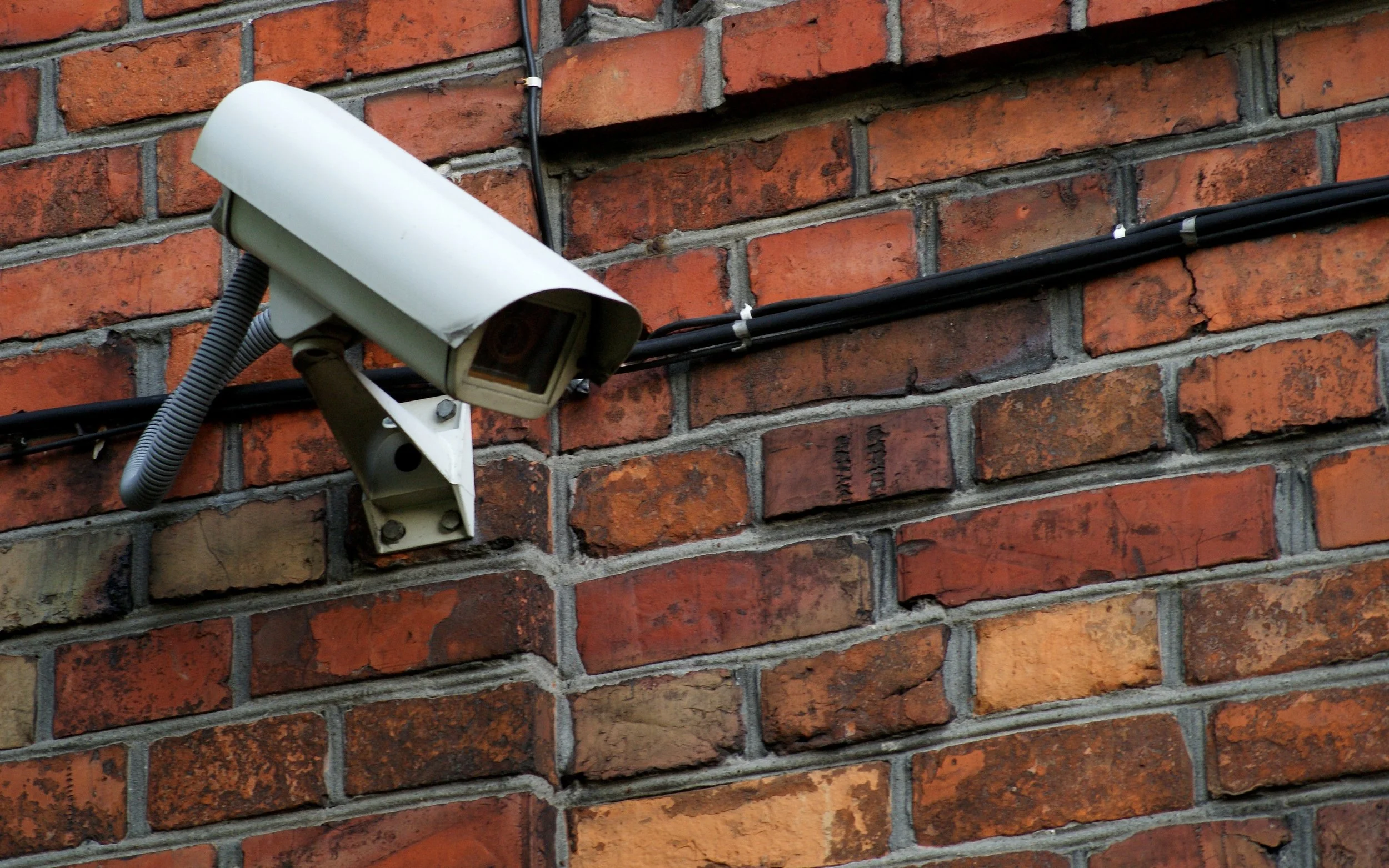
These attacks represent the more extreme end of store security and highlight the need for smart CCTV coverage of retail butcher premises.
What the average butcher faces can range from pilfering and shoplifting to aggressive customers and sophisticated organised gangs. These groups often target premium cuts of meat for resale online or on the black market.
The Christmas lead-up is a particularly risky period. Christmas meats and seafood are often the chosen target of bulk burglaries. Last year a brazen break-in at a Queensland butcher shop netted half a tonne of meat, including 16 whole leg Christmas hams valued at $200 each, while a South Australian business lost $7,000 of Christmas seafood. Both thefts occurred overnight, with both caught on CCTV footage.
CCTV records after the fact. Smarter systems – often fitted with AI-based predictive technology – are alert for customers loitering near high-value areas and quick grab-and-runs. It can detect repeat offenders and anyone displaying aggression. These systems can alert staff, sometimes before the incident escalates and the best can also differentiate normal staff activities such as shelf stacking, to avoid false alarms.
However, there are some risks around surveillance technology, mostly about the legality of footage and potential breaches of customer privacy. Other issues include misuse of footage and data breaches.
Here are some CCTV installation hints.
• Post signs prominently announcing that CCTV operates and/or security services are used,
• Don’t just install cameras inside the store. Have a unit keep watch over the rear entrance.
• If you regularly keep expensive stock in a particular chiller, install CCTV at that door, too.
• Install 24-hour CCTV that provides facial recognition as well as good quality images. However if facial recognition technology is used, then you will need to ensure people’s privacy.
• Ensure your system is operational.
• Write guidelines defining how you use CCTV cameras and what you do with the footage.
• Ensure your system is legal. Small business (less than 43m/year turnover) are not subject to the Federal Government’s Privacy Act but there are assorted other regulations in each state. The general rules are:
- No cameras in private spaces (bathrooms, change rooms, prayer rooms)
- Avoid cameras around break areas
- Do not post footage to social media
- Tell staff in writing before surveillance starts, and when it changes.
- Seek a data processing agreement from your supplier, ensure they will only use footage to provide your service, keep it secure and delete it when asked
- See if the company and its installers (who are sometimes sub-contractors) are members of the Australian Security Industry Association Limited (ASIAL).
- Ensure timely deletion, 30-90 days unless footage is required for legal purposes
- Set rules on who can view footage and when
- Log access or downloads to the system
- Use multi-factor authentication and/or strong passwords to access the system
Tamper at your own risk
No one has ever been found responsible for the deaths of at least seven people who died after taking a pain killer tainted with cyanide in Chicago in 1982.
But the incident began the global shift to tamper-proof and tamper-evident packaging, and now the sector is anticipating annual growth rates of 7% to 8% out to 2031.
Indirectly, Australia had its own version of product tampering one year earlier than Chicago. August 1981 saw a meat substitution scandal, replacing US-destined beef with horse and donkey meat. The swap unravelled right up to the office of the Australian PM who had to publicly apologise 1982. The companies involved were fined up to $100,000 and a company boss jailed for four years.
The growth in tamper-proof and tamper-evident packaging is fuelled by increasing doubts and disposable incomes of consumers worldwide.
Blockchain is becoming the norm for full supply chain traceability. But for individual businesses, repackaging for the retail market, tamper-proof/evident packaging will be of greater relevance.
Cybercrime: where are you most exposed?
What is the most common way for cyber-criminals to attack your retail butcher business?
78% of small businesses contacting the Australian Government-funded IDCARE for help reported unauthorised access to their Facebook accounts. The next-most vulnerable area was compromised email systems, clocking up 47% of small business data breaches. IDCARE reported that cyber attacks on an Australian small businesses result in an average $47,400 loss/business.
On average, small business takes 21 days to report an attack, 20% longer than individuals, giving criminals more time to cause damage.
Funded by the Australian Government, not-for-profit IDCARE offers a free cyber resilience service for businesses that:
• Have 19 or fewer full-time equivalent employees (excluding the owner)
• Are registered in Australia, actively trading, and have a valid ABN
Dr David Lacey, IDCARE’s Group CEO, said: “Cybercrime isn’t slowing down, and the cost of inaction is enormous – financially and emotionally. Small steps now could prevent devastating impacts later.”
More? www.idcare.org/learning-centre/fact-sheets
Also funded by the Australian Government, Cyber Wardens is a free online training program to give small business quick wins against cyber threats. cyberwardens.com.au/
Go through the guides offering practical cyber security tips tailored for small businesses such as protecting your devices and spotting scams and tailored for Google, Microsoft or Apple systems.
They make cyber security simple, clear and achievable for time-poor business operators. cyberwardens.com.au/fact-sheet-how-to-protect-your-devices/